
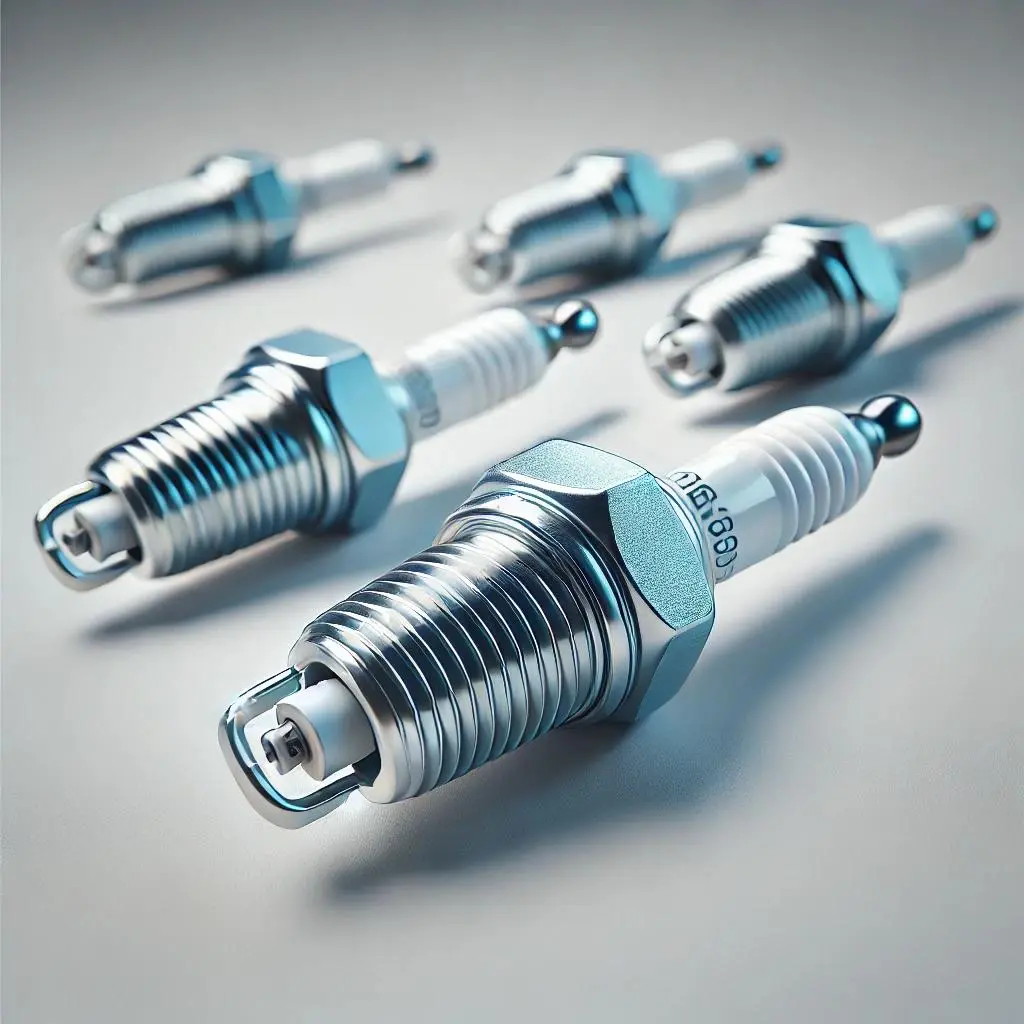
Prolonging Spark Plug Life: Effective Maintenance Tips
When you want to extend your spark plugs’ life, choosing high-quality fuel is your first step. It’s not just about saving at the pump; top-tier gasoline minimizes carbon build-up, which can lead to fewer deposits on your plugs and a smoother-running engine.
But there’s more to it than just picking the right fuel—how often do you check the condition of your spark plugs? Ignoring signs of wear or fouling can lead to bigger issues down the line.
Let’s explore some simple yet effective strategies that could significantly improve your vehicle’s performance and efficiency. What else could you be missing?
Select High-Quality Fuel
Choosing high-quality fuel for your vehicle can greatly enhance the performance and longevity of your spark plugs. When you opt for top-tier gasoline, you’re not just filling the tank but participating in the essential maintenance of your engine’s health.
This fuel type is fortified with ideal detergents and additives specifically designed to reduce carbon buildup, which can otherwise impede the efficiency of your spark plugs.
The combustion process in your engine is intricate, relying heavily on the condition of the spark plugs. By using high-quality fuel, you minimize the risk of deposits forming on the electrodes of your spark plugs.
This clean combustion is vital, ensuring that each spark plug can fire effectively, optimizing your engine’s performance and fuel efficiency.
Regular Inspection Routine
To maintain peak engine performance, you should regularly inspect your spark plugs, checking for signs of wear or fouling. This proactive approach keeps your engine running smoothly and fosters a sense of involvement and pride in your vehicle’s upkeep.
Begin by visually examining your spark plugs for any physical indications of deterioration. Look for discolored insulators or damaged electrodes, which can signal problems within the combustion chamber that may affect fuel efficiency.
Using a feeler gauge, check the electrode gap to make sure it aligns with the specifications set by your vehicle’s manufacturer. An incorrect gap can lead to inefficient combustion and increased fuel consumption.
Adhere to the manufacturer’s recommended maintenance schedule. This schedule is designed to optimize the longevity and performance of your spark plugs by preventing excessive wear and tear.
Keeping the spark plug area clean from debris further ensures that your spark plugs function efficiently, devoid of external contaminants that could impede performance.
Follow Replacement Guidelines
Following the manufacturer’s recommended spark plug replacement intervals guarantees your engine maintains its peak performance and avoids unnecessary wear.
Regular maintenance is vital, including checking and replacing worn spark plugs every 30,000 to 50,000 miles. This proactive approach prevents the decline in engine efficiency and power output that occurs with aging spark plugs.
The life of your spark plugs greatly impacts your engine’s overall health. By sticking to a strict spark plug replacement schedule, you’re optimizing the performance and safeguarding against potential engine damage that can arise from neglected maintenance. It’s about being part of a community that values meticulous care and understands the intricacies of automotive upkeep.
Using high-quality spark plugs and following precise maintenance protocols are essential steps in prolonging the life of your spark plugs and, by extension, enhancing the longevity and reliability of your engine.
Timely replacements ensure top-notch engine performance, keeping your car running smoothly and efficiently in your daily life or during your travels.
Use Correct Installation Tools
Ensuring you use the right tools for installation not only simplifies the process but also enhances the performance and longevity of your spark plugs. Choosing the correct spark plug socket size is important. A precise fit prevents damage to the spark plug’s ceramic body during installation.
Using the appropriate extension for your socket also ensures you can reach spark plugs in tight or deep compartments without risking cross-threading.
A torque wrench is essential for achieving the exact tightness specified by the manufacturer. Overtightening can damage the spark plug or even the engine head, while undertightening might lead to a poor seal or a loose spark plug, causing misfires or engine damage.
You shouldn’t overlook applying anti-seize compound to the spark plug threads, which prevents them from seizing when it’s time for removal. Similarly, applying a small amount of dielectric grease on the spark plug boot ensures a secure and corrosion-resistant electrical connection.
It’s important to regularly inspect and replace these tools if they’re worn or damaged. This proactive approach facilitates smoother installations and guards against potential issues that could compromise your vehicle’s performance.
Implement an Air Oil Separator
Implementing an air oil separator in your Subaru, particularly if it’s turbocharged, can greatly reduce oil blow-by and consumption, thereby protecting your spark plugs from premature fouling. This component is essential for maintaining the efficiency and longevity of your spark plugs by ensuring that oil doesn’t contaminate the combustion chamber.
By integrating an air oil separator into your maintenance routine, you’re taking a proactive step toward safeguarding the engine’s performance. Subaru engines, especially turbocharged ones, often experience higher levels of oil blow-by. This can lead to spark plug fouling, which compromises your vehicle’s efficiency and power output.
An air oil separator captures and removes oil from the air before it enters the engine’s intake system. This process is critical for keeping the spark plugs clean and functional and thereby extending their lifespan.
Choosing a high-quality air oil institute for your vehicle isn’t just a technical necessity; it’s an investment in the reliable operation of your Subaru. By prioritizing this aspect of vehicle care, you ensure each component performs at its best, solidifying your place within a community that values thorough, detail-oriented automotive maintenance.
Conclusion
So, you want your spark plugs to last longer? Simple: treat them like royalty.
Choose the crème de la crème of fuels to avoid gunky deposits. Regularly inspect them as if you’re searching for pirate treasure.
Always stick to the manufacturer’s playbook for replacing them no freelancing, please! Use the right tools, unless you fancy a DIY disaster.
And yes, slap on an air oil separator to keep things clean.
Follow these tips, and your spark plugs might just outlive your car’s fashion statement.


