
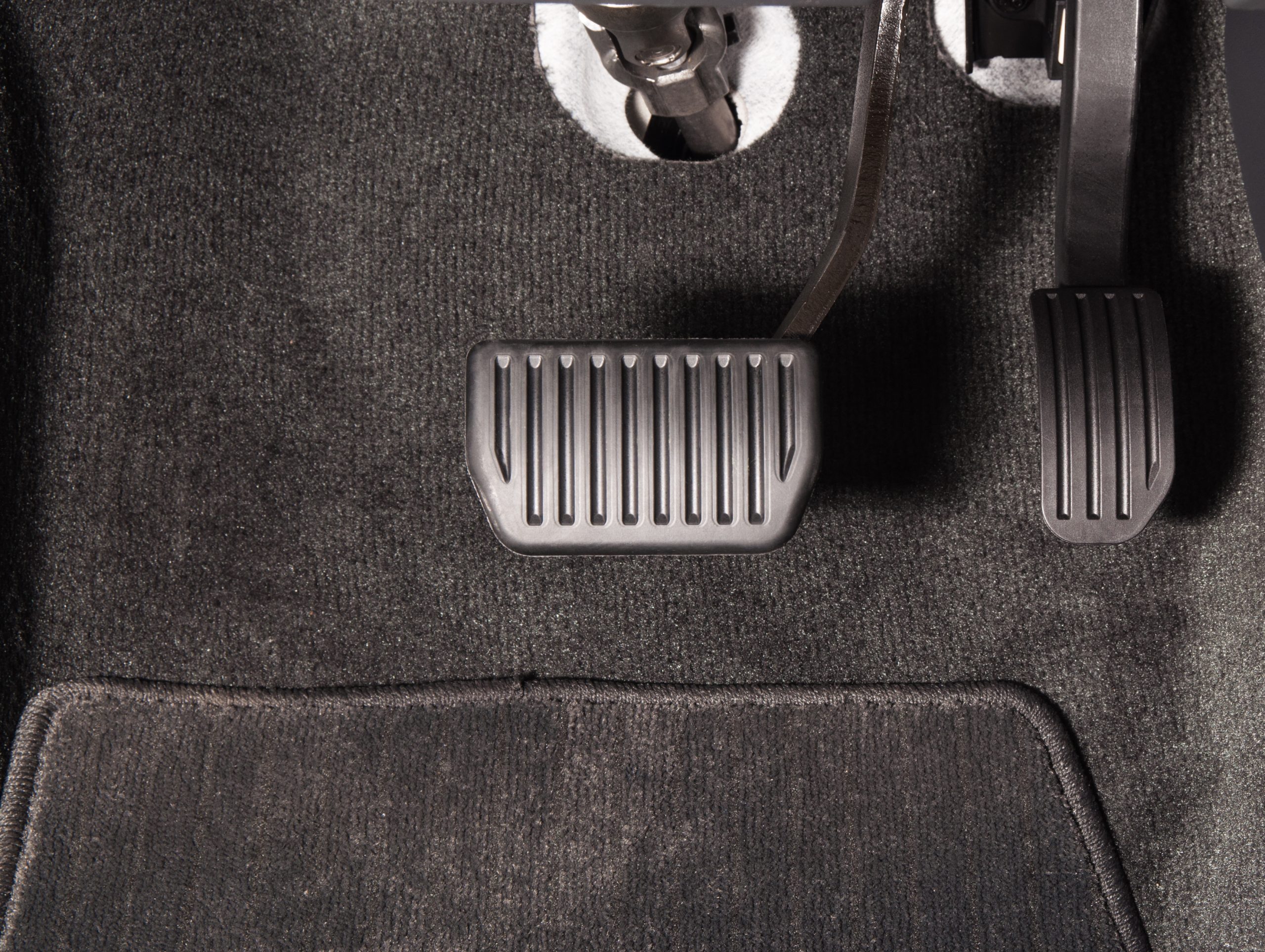
Brake Pedal Stiff When Starting Car Warning Signs You Should Not Ignore
You sit down, turn the key, and press the brake pedal. Instead of moving smoothly, it feels hard as a rock. A few seconds later, after the engine runs, the pedal softens and feels normal again.
Many drivers shrug this off, but a stiff brake pedal at startup can be an early alert that something important is failing. Brakes are not a system to guess about. When the pedal sends a warning, it deserves attention right away.
This guide explains the warning signs linked to a stiff brake pedal when starting your car, what they point to, and why quick action matters for safety.
What a Stiff Brake Pedal at Startup Means
Most modern cars use power-assisted brakes. This system relies on engine vacuum or an electric pump to help push brake fluid through the system. When the engine is off, that assist fades. If the brake pedal stays stiff even after the engine starts, or only softens after several seconds, a support part may be weak or failing.
A stiff pedal is not just about comfort. It can raise stopping distance and increase the risk of brake failure during sudden stops.
Warning Sign 1: Brake Pedal Feels Hard Before the Engine Starts
It is normal for the brake pedal to feel firm with the engine off. The problem begins when it feels extremely hard or barely moves at all. This can signal that stored vacuum pressure is not being held as it should.
Common causes include:
- A leaking brake booster
- A cracked or loose vacuum hose
- A failing one-way check valve
If the pedal feels rock solid before startup, the system may not be storing vacuum pressure properly between drives.
Warning Sign 2: Pedal Takes Too Long to Soften After Startup
When the engine starts, vacuum should build fast. The brake pedal should soften within one or two seconds. If it takes longer, the assist system is struggling to recover.
This delay often points to:
- A weak brake booster
- Engine vacuum leaks
- Low engine vacuum from mechanical issues
Slow pedal response means the brakes may not react as expected during cold starts or quick maneuvers.
Warning Sign 3: Brake Pedal Requires Extra Force While Driving
If you notice that you must press harder than usual to slow down, the brake assist may be fading even while driving. This is a serious alert.
Possible reasons include:
- Internal booster diaphragm damage
- Vacuum hose collapse under load
- Electric brake pump failure in newer vehicles
A brake system that needs extra force can become dangerous during panic stops or downhill driving.
Warning Sign 4: Hissing Sound When Pressing the Brake
A soft hissing noise when pressing the brake pedal is a red flag. This sound often comes from air leaking into the brake booster or vacuum line.
What it suggests:
- Cracked vacuum hose
- Loose hose connection
- Leaking brake booster seal
Air leaks reduce braking power and can also affect engine performance.
Warning Sign 5: Engine Idle Changes When Braking
If the engine stumbles, idles rough, or changes speed when you press the brake, vacuum flow may be disrupted. Since the brake booster connects to engine vacuum, leaks can affect both systems.
This issue may point to:
- Large vacuum leaks
- Booster check valve failure
- Engine vacuum imbalance
Braking should never change how your engine runs.
Warning Sign 6: Brake Warning Light Appears
Some vehicles monitor brake assist systems and vacuum pressure. If the brake or stability warning light turns on along with a stiff pedal, the issue may already be severe.
Warning lights may relate to:
- Brake assist malfunction
- Electronic brake pump failure
- Stability system limitations caused by brake faults
Do not ignore dashboard warnings tied to braking.
Warning Sign 7: Stiff Pedal After Sitting Overnight
If the pedal is stiff after the car sits for several hours, vacuum pressure may be bleeding off too quickly. A healthy system holds vacuum for multiple brake presses with the engine off.
This problem often links to:
- Faulty booster check valve
- Small vacuum leaks
- Aging rubber hoses
Loss of stored vacuum reduces brake readiness during the first moments of driving.
Why These Warning Signs Are Dangerous
Brakes rely on predictability. A stiff pedal reduces control and increases stopping distance. During emergencies, the driver may not apply enough force in time.
Ignoring these signs can lead to:
- Delayed braking response
- Increased risk during sudden stops
- Total brake assist failure
Once assist is gone, stopping a moving vehicle becomes much harder, especially at higher speeds.
Common Causes Behind a Stiff Brake Pedal at Startup
Several parts work together to make braking smooth. When one fails, stiffness appears.
Brake Booster Problems
The brake booster multiplies pedal force using vacuum pressure. Internal damage or seal failure reduces assist.
Vacuum Hose Leaks
Cracked, collapsed, or loose hoses reduce vacuum flow. Even small leaks can cause big changes in pedal feel.
Check Valve Failure
The check valve keeps vacuum stored when the engine is off. If it fails, assist fades between drives.
Low Engine Vacuum
Engine issues such as misfires, timing problems, or intake leaks can reduce available vacuum for braking.
Electric Brake Pump Issues
Some modern cars use electric pumps instead of engine vacuum. When these pumps weaken or fail, stiff pedals appear quickly.
What to Do When You Notice These Signs
Act early to avoid sudden brake loss.
Steps to take:
- Inspect visible vacuum hoses for cracks or loose fittings
- Listen for hissing sounds near the brake pedal area
- Test pedal feel with the engine off and after startup
- Schedule a brake system inspection promptly
Avoid aggressive driving until the issue is fixed.
Can You Drive With a Stiff Brake Pedal?
Driving with a stiff brake pedal is risky. While the car may still stop, it needs more force and more time. In traffic or emergency situations, this can lead to accidents.
Short trips to a repair shop may be possible, but high-speed or long-distance driving is not safe.
Final Thoughts
A brake pedal that feels stiff when starting your car is more than a minor annoyance. It is often an early signal of vacuum loss, brake booster trouble, or assist system failure. These warning signs tend to grow worse over time, not better.
Pay attention to how your brake pedal feels, sounds, and responds. When something changes, your car is asking for help. Acting early protects your safety, your passengers, and everyone else on the road.


