
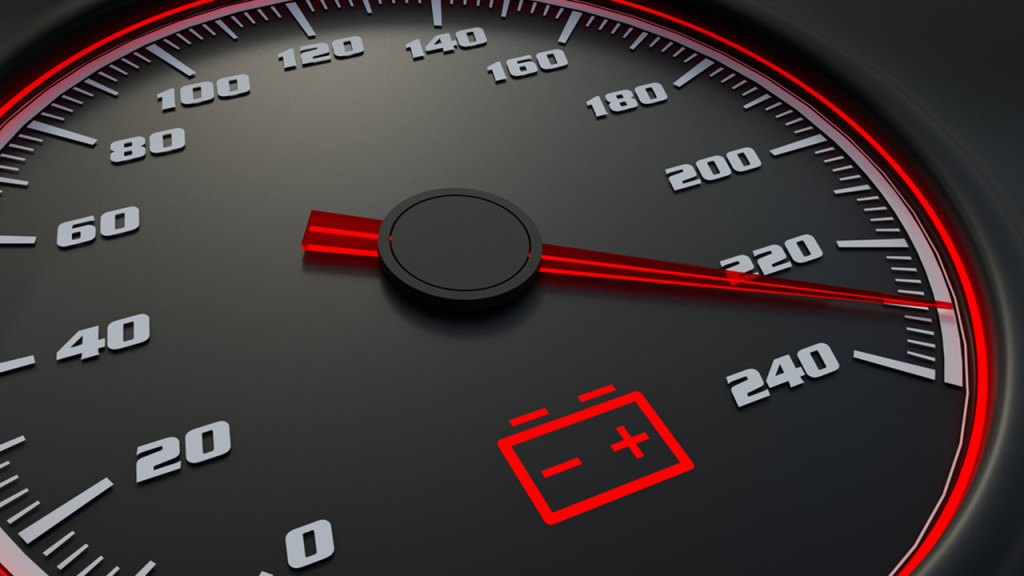
Can You Keep Driving If the Battery Light Is Flickering Intermittently
Seeing the battery light flicker on and off while you’re driving can be confusing and stressful. One moment everything feels normal, and the next you’re wondering if your car is about to shut down. Many drivers ask the same question right away: can you keep driving if the battery light is flickering intermittently?
The short answer is sometimes—but it’s risky. A flickering battery light is a warning sign that your car’s charging system may not be working properly. Even if the car still drives fine, ignoring this light can lead to sudden breakdowns and expensive repairs.
This guide explains what the flickering battery light means, why it happens, and how long you can safely keep driving.
What the Battery Light Really Means
The battery light does not mean your battery is simply low. It actually warns you about a problem in the charging system. This system includes:
- The alternator
- The battery
- The drive belt
- Electrical wiring and connections
- Voltage regulators and sensors
When the battery light flickers instead of staying on, it usually means the system is working sometimes, but not consistently.
Why the Battery Light Flickers Instead of Staying On
A steady battery light often points to a major failure. A flickering light usually means an intermittent problem. These are some common reasons:
Loose or Worn Drive Belt
The alternator depends on a belt connected to the engine. If that belt is loose, worn, or slipping, the alternator may charge properly one moment and fail the next.
Failing Alternator
An alternator can weaken before it fully fails. Internal parts like brushes or bearings may work sporadically, causing voltage to rise and fall.
Corroded or Loose Battery Terminals
Poor connections can interrupt power flow. Even slight vibration while driving can make the light flicker.
Wiring or Ground Issues
Damaged wiring or weak ground connections can cause unstable voltage readings.
Electrical Load Changes
Turning on headlights, air conditioning, or heated seats increases demand. If the system struggles to keep up, the light may flicker under load.
Can You Keep Driving When the Battery Light Flickers?
Short Answer: Yes, But Only for a Short Time
If the battery light flickers briefly and goes away, you may still be able to drive for a limited time. However, this does not mean the problem is minor or safe to ignore.
Your car relies on electrical power for almost everything:
- Engine control systems
- Fuel injectors
- Transmission controls
- Power steering (in many modern cars)
- Braking assistance
If the charging system fails completely, the car will keep running only until the battery drains.
How Long Can You Drive With a Flickering Battery Light?
There is no exact answer. It depends on:
- Battery health
- Electrical load
- Driving conditions
- Severity of the charging issue
In some cases, a fully charged battery may last:
- 30 minutes to 1 hour in daylight with minimal electronics
- Much less time at night with headlights, AC, and radio on
Once the battery is drained, the engine will stall and will not restart.
Signs You Should Stop Driving Immediately
If you notice any of these signs along with a flickering battery light, you should pull over as soon as it’s safe:
- Dimming headlights or dashboard lights
- Power steering becoming heavy or stiff
- Warning lights appearing together
- Engine hesitation or stalling
- Burning smell from under the hood
- Strange whining or squealing noises
These signs mean the charging system may be close to complete failure.
Is It Safe to Drive Short Distances?
Driving a very short distance, such as getting home or to a nearby repair shop, is usually acceptable if the car feels normal and no other warning signs appear.
To reduce risk:
- Turn off unnecessary electronics
- Avoid night driving if possible
- Keep driving time short
- Do not shut off the engine until you reach help
Stopping the engine may prevent it from restarting.
What Happens If You Ignore the Flickering Battery Light?
Ignoring the warning can lead to serious problems:
Sudden Breakdown
The car may shut off in traffic or on the highway without warning.
Battery Damage
Repeated draining can permanently damage the battery.
Alternator Failure
A failing alternator can overheat or seize, leading to more expensive repairs.
Computer and Sensor Errors
Low voltage can cause false error codes and unpredictable behavior.
Safety Risks
Loss of power steering or brake assist can make the vehicle harder to control.
What You Should Do as Soon as Possible
Get the Charging System Tested
A simple test can check:
- Alternator output
- Battery condition
- Voltage stability
Many auto parts stores can perform basic tests, but a mechanic can diagnose deeper electrical issues.
Inspect the Drive Belt
Look for cracks, glazing, looseness, or squealing noises.
Check Battery Connections
Clean and tighten terminals if corrosion or looseness is visible.
Scan for Error Codes
Modern vehicles may store charging system or voltage-related fault codes even if the light is not always on.
Common Myths About Flickering Battery Lights
“It’s Just a Bad Battery”
A weak battery can cause problems, but the flickering light usually points to charging, not storage.
“If the Car Still Drives, It’s Fine”
Many cars drive normally until the battery suddenly runs out.
“The Light Will Fix Itself”
Electrical problems rarely fix themselves. They usually get worse.
Final Verdict: Should You Keep Driving?
You can keep driving briefly if the battery light flickers intermittently and the car feels normal. However, you should not keep driving for days or ignore the warning.
Think of a flickering battery light as a countdown, not a suggestion. The car is telling you that power is unstable, and once the battery drains, the drive is over.
The safest move is to limit driving, reduce electrical load, and get the charging system checked as soon as possible. Acting early can save you from being stranded—and from much higher repair bills later.
Bottom line:
A flickering battery light is your car asking for attention. You may have some time, but you don’t have unlimited time. Take the warning seriously and handle it before the light becomes permanent and the engine goes silent.


