
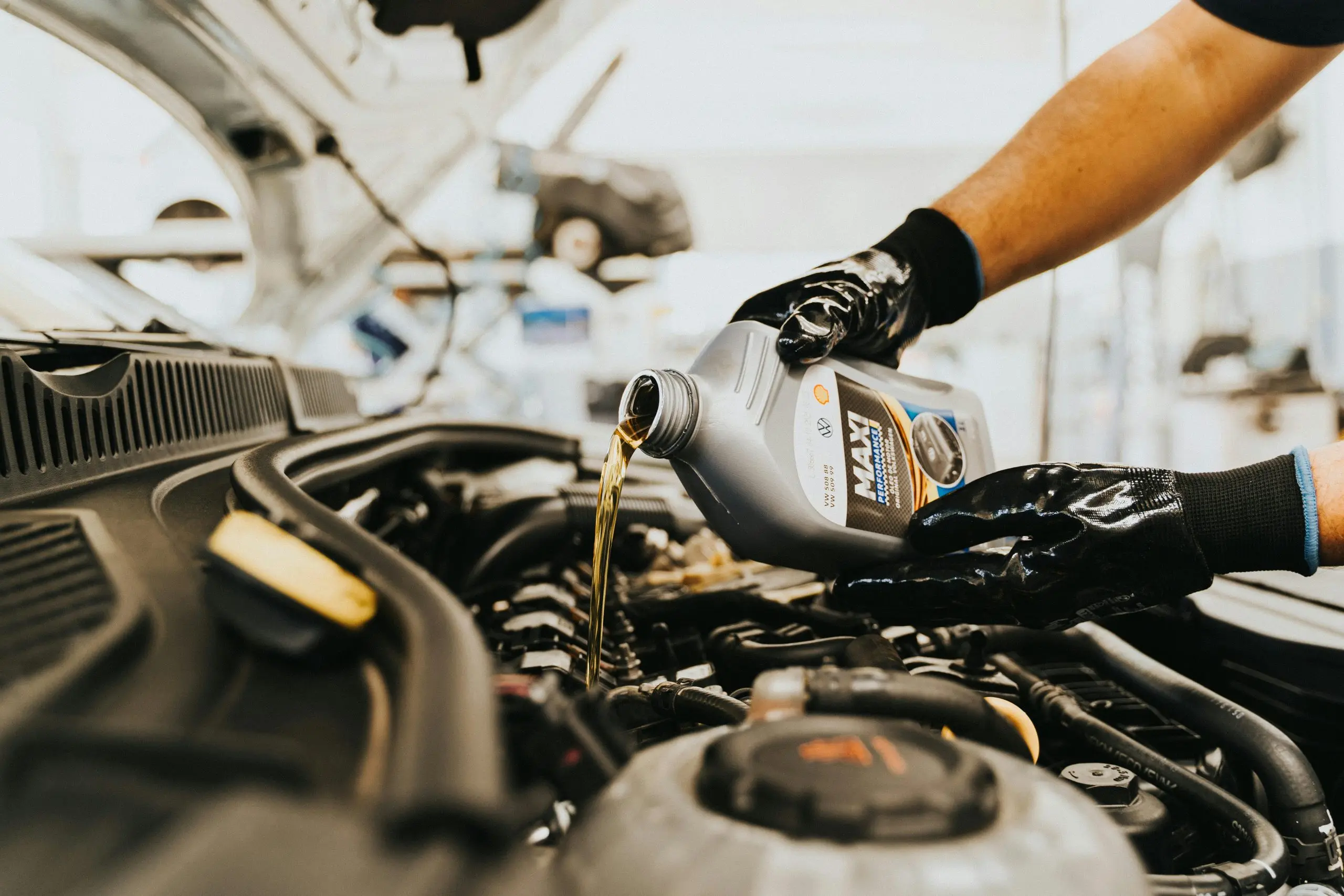
Everything You Need to Know About Oil Change Intervals
Keeping your car’s engine running smoothly depends on one critical task: regular oil changes. But how often should you change your oil? What factors affect oil change intervals?
In this guide, we’ll break down everything you need to know about oil change intervals so you can keep your vehicle in tip-top shape.
Why Are Oil Changes Important?
Oil plays a vital role in your car’s engine. It lubricates moving parts, reduces friction, and helps keep the engine cool. Over time, oil can break down and become less effective.
Dirt, metal particles, and other debris can also accumulate, making the oil dirty and causing unnecessary wear on the engine. Regular oil changes ensure that your engine stays clean and runs efficiently.
The Basics of Oil Change Intervals
Oil change intervals refer to how often you need to replace the oil in your vehicle. For many years, the standard recommendation was to change your oil every 3,000 miles or every three months, whichever came first.
However, advancements in engine technology and oil formulations have extended these intervals.
Today, many vehicles can go 5,000 to 10,000 miles or more between oil changes, depending on the type of oil used and driving conditions.
Types of Engine Oil
There are three main types of engine oil, each affecting oil change intervals:
- Conventional Oil: Traditional oil derived from crude oil. Typically, it needs changing every 3,000 to 5,000 miles.
- Synthetic Oil: Engineered to provide superior performance and last longer, synthetic oil often allows for intervals of 7,500 to 10,000 miles or more.
- Synthetic Blend Oil: A mix of conventional and synthetic oil, offering improved performance at a lower cost. Change intervals fall between conventional and full synthetic oil.
Factors That Influence Oil Change Intervals
While manufacturer recommendations are a good starting point, several factors can influence how often you need an oil change:
1. Driving Habits
- Frequent short trips: If you often take short trips (less than 5 miles), your engine doesn’t reach its optimal operating temperature. This can lead to quicker oil breakdown.
- Stop-and-go traffic: Driving in heavy traffic puts extra stress on your engine, requiring more frequent oil changes.
2. Climate Conditions
- Extreme temperatures: Very hot or cold weather can affect your engine oil’s performance and longevity.
- Dusty or sandy environments: Driving in dusty conditions can cause dirt and debris to enter the engine, requiring more frequent oil changes.
3. Vehicle Age and Type
- Older cars: Older engines may burn oil faster and require more frequent changes.
- Performance vehicles: Sports cars or high-performance engines often have specific oil requirements and shorter intervals.
4. Towing and Heavy Loads
- If you tow a trailer or haul heavy loads regularly, your engine works harder, leading to faster oil degradation.
How to Determine Your Oil Change Interval
1. Check the Owner’s Manual
The owner’s manual is the ultimate guide for your specific vehicle. It will provide recommended oil change intervals and the type of oil best suited for your engine.
2. Follow the Oil Life Monitoring System
Many modern cars come equipped with an oil life monitoring system. This system tracks your driving habits and alerts you when it’s time for an oil change.
3. Consult a Trusted Mechanic
If you’re unsure, ask a mechanic you trust. They can consider your driving conditions and the state of your engine to recommend an appropriate oil change schedule.
Signs That It’s Time for an Oil Change
Even if you’re following the recommended intervals, it’s good to watch for signs that your oil might need changing sooner:
- Dirty or dark oil: Fresh oil is amber-colored and clear. If it looks dark or dirty, it’s time for a change.
- Strange engine noises: If your engine sounds louder than usual or makes knocking noises, it could be due to low or dirty oil.
- Oil change warning light: Many vehicles have a warning light that comes on when it’s time to change the oil.
- Burning oil smell: A strong, burning smell inside the car could indicate that the oil is old or leaking.
Benefits of Sticking to Oil Change Intervals
Regular oil changes offer several benefits, including:
- Extended Engine Life: Clean oil reduces wear and tear, helping your engine last longer.
- Improved Fuel Efficiency: Fresh oil helps the engine run more efficiently, saving you money on gas.
- Lower Repair Costs: Preventing engine damage with regular oil changes saves you from expensive repairs down the road.
- Better Performance: Clean oil ensures that your engine runs smoothly, providing better acceleration and reliability.
Conclusion
Oil change intervals are more flexible today than they were years ago, but they’re no less important.
By understanding your driving habits, using the right type of oil, and paying attention to your vehicle’s needs, you can maintain your car’s performance and extend its lifespan.
Remember to always consult your owner’s manual and follow your vehicle’s specific guidelines.
Regular maintenance is key to keeping your car on the road for years to come. Take care of your oil changes, and your car will take care of you!


