
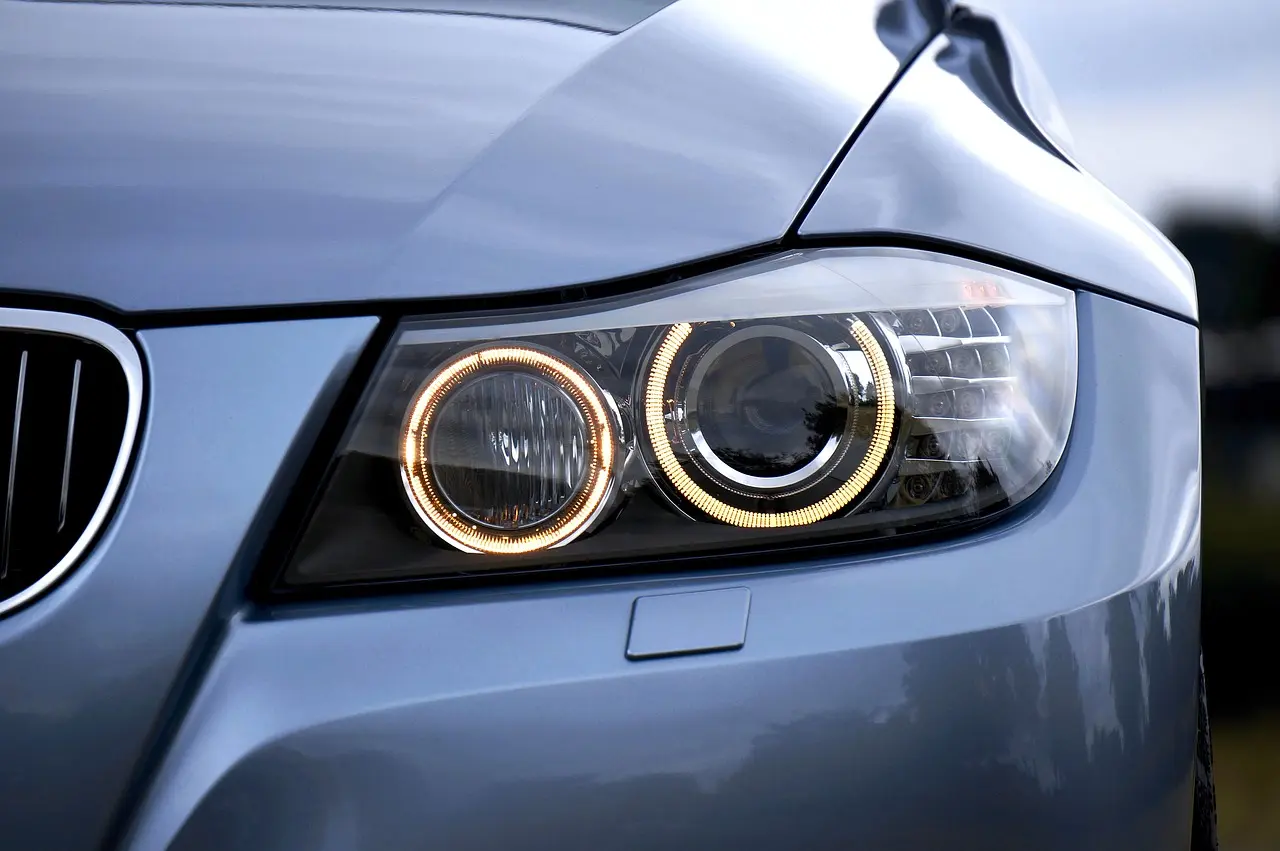
The Expected Lifespan of Different Types of Car Headlights
You might not be aware that the lifespan of your car’s headlights can vary greatly based on the type you’re using. For instance, while halogen lights are commonly used due to their cost-effectiveness, they don’t last nearly as long as LED lights, which can illuminate your drives for up to 30,000 hours.
As you consider this stark difference, you’ll find that choosing the right headlights could not only impact how well you see on the road but also how often you need to replace them. What factors then influence these lifespans, and how can you make sure you’re making the most economical and efficient choice for your vehicle?
Understanding Headlight Types
Halogen headlight bulbs, a common choice, offer a balance of cost and efficiency. However, they’re gradually being overshadowed by more advanced technologies. Utilizing high-intensity discharge, HID systems are notable for their superior brightness and efficiency.
They use less electricity and provide more light than halogens, making them appealing for those seeking performance and energy savings.
LED bulbs represent a noteworthy advancement in headlight technology. These bulbs aren’t only energy-efficient and emit a very clean, white light, improving visibility significantly. Their development includes innovative solutions such as auxiliary fans to combat the heat dissipation challenges inherent in LED technology.
Moving to even more advanced technologies, Xenon bulbs produce a bright, intense light and have a longer lifespan than halogens and standard HIDs.
Ultimately, less common laser bulbs set the benchmark for durability and performance with a lifespan exceeding 30,000 hours, making them an ideal choice for those who prioritize longevity and cutting-edge technology in their vehicle’s lighting system.
Halogen Headlight Lifespan
Halogen headlights typically last 450 to 1,000 hours, influenced by heat output and filament wear. You’re likely familiar with these headlights’ challenges, especially if you often drive on rough roads.
The constant vibration can prematurely wear out the filament, shortening the lifespan of your halogen headlight. This isn’t just an inconvenience—it’s a shared experience among many drivers, creating a common ground for discussions about vehicle maintenance.
Variations in electrical output directly impact the durability of the filament. When the voltage fluctuates, it can strain the filament, reducing lifespan. This technical detail underscores the importance of consistent vehicle electrical maintenance to ensure your headlights function well.
You might also notice your halogen headlights dimming over time. This gradual decrease in brightness is a clear indicator that the headlights are aging and may soon need replacement. Watching this aspect is crucial, as dim headlights can compromise your safety on the road.
LED Headlight Longevity
LED headlights boast a lifespan of up to 30,000 hours, far surpassing traditional lighting options in durability. You’re not just buying headlights; you’re investing in a robust solution that will last.
The standout benefits of LED headlights aren’t limited to their longevity. Here are three key attributes that underscore their superiority:
- Durability: Unlike standard bulbs, LED headlights are built to endure. Their solid-state construction makes them less prone to failures, which means fewer replacement worries and reduced maintenance costs.
- Energy Efficiency: LEDs use less power, translating into energy savings and a lighter load on your vehicle’s electrical system. This efficiency doesn’t compromise on performance; instead, it ensures excellent brightness and color quality.
- Maintenance: With LEDs, you’re not just saving on the cost of frequent replacements. The lower heat production and advanced design also mean that maintaining these lights is less of a hassle, making sure that they continue to function at their best for longer.
HID Headlight Duration
When considering HID headlight duration, you must understand the factors that influence their lifespan, typically around 2,000 hours.
HID Lifespan Factors
HID headlights typically last about 2,000 hours, offering a more efficient lighting solution with higher brightness compared to other types.
The longevity of HID bulbs not only enhances night visibility but also contributes greatly to their widespread popularity among vehicle owners like yourself, who prioritize both performance and durability.
To maximize the lifespan of your HID headlights, consider the following factors:
- Electrical System Compatibility
- Quality of the Bulbs
- Installation and Maintenance
Average HID Durability
The average durability of HID headlights is approximately 2,000 hours, efficiently balancing luminosity and energy consumption. This robust lifespan makes HID headlights a favored choice among automotive applications, where consistent and powerful illumination is paramount.
The efficiency of HID headlights is notable; they utilize less electricity while yielding more light compared to traditional bulbs. This performance is a reflection of the advancements made by producers in the field of automotive lighting technology. It’s important to recognize this balance, as it impacts vehicle operation and aligns with broader energy consumption standards.
However, the brightness of HID headlights has prompted discussions within regulatory bodies, including the National Highway Traffic Safety Administration (NHTSA).
While beneficial for driver visibility, such brightness has raised concerns about potential glare, affecting other road users. The NHTSA’s focus underscores the importance of setting standards that promote safety without compromising on functionality.
Maintaining HID Headlights
Regular maintenance is essential to maximizing the 2,000-hour lifespan of your HID headlights. Proper maintenance guarantees peak performance and greatly contributes to their longevity.
Here are key steps you should follow:
- Regularly Clean the Headlights: Dirt and debris can accumulate on the lens, reducing the intensity and clarity of the light. Use a non-abrasive cleaner and a soft cloth to clean the headlights gently but thoroughly.
- Check for Moisture: HID headlights are sealed, but moisture can still seep in over time. If you notice condensation inside the lens, it’s vital to address this quickly to prevent damage to the electrical components.
- Inspect and Replace Bulbs as Needed: Although HID bulbs have a long lifespan, they do degrade over time. Monitor their brightness and color. If you notice significant dimming or a color shift, it’s time to replace the bulb to maintain effective visibility and safety during night driving.
Factors Affecting Lifespan
Several factors greatly influence the lifespan of car headlights, including usage frequency, bulb type, voltage levels, and driving conditions.
The type of lighting whether halogen, xenon, or LED plays a significant role. Halogens, for instance, generally have shorter bulb lives compared to LEDs. If you’re driving on rough roads, halogen bulbs might fail quicker due to their fragile nature when exposed to constant vibrations, unlike more durable LED units.
Moreover, how often you use your lights directly ties into their longevity. More frequent use typically shortens the lifespan numbers, leading to earlier replacements.
Voltage output from your vehicle’s electrical system also impacts durability. High voltage levels can strain the bulb, reducing its life expectancy. It’s crucial to ensure your car’s electrical system is correctly calibrated to avoid overloading the headlight bulbs.
Signs of Headlight Degradation
As headlights age, you may notice a significant dimming in light output, compromising your nighttime visibility and driving safety.
Dimming Light Output
Dimming light output often indicates your headlights are degrading, potentially reducing visibility by up to 50 feet. This reduction impacts your driving experience and affects how well you can see and be seen on the road.
Dimming can occur due to several factors, but one of the primary reasons is tungsten evaporation. As headlights age, the tungsten filament inside the bulb slowly evaporates, leading to decreased light output.
This process is exacerbated by high usage and can shorten the effective lifespan of your headlights.
To combat this degradation and preserve good visibility, consider these steps:
- Regular monitoring: Check your headlights periodically for signs of dimming or uneven light output.
- Timely replacement: Replace headlights when you notice significant dimming to maintain safety.
- Proper handling: Avoid touching the bulb glass during installation to prevent oils from your skin from causing additional damage.
Flickering Headlight Issue
While dimming light output often signals aging bulbs, flickering headlights are another common symptom of headlight degradation that requires immediate attention to maintain safe driving conditions.
You’re not alone if you’ve noticed your vehicle’s headlights flickering; it’s a significant issue many drivers face. Flickering can stem from various sources, primarily bulb degradation, electrical issues, or voltage fluctuations.
When headlights flicker, it’s typically a sign that the bulbs are nearing the end of their lifespan or there are loose connections within the headlight circuit. Voltage irregularities in your vehicle’s electrical system can also cause the lights to flicker, which might indicate a more significant problem.
Yellowing or Clouding Lens
Exposure to UV rays, oxidation, and environmental elements often leads to the yellowing or clouding of your car’s headlight lenses, a clear indicator of headlight degradation.
This isn’t just a cosmetic issue; it’s a safety concern that diminishes the effectiveness of your headlights, compromising visibility and your ability to react to road conditions after dark.
Here are the primary factors contributing to lens deterioration:
- UV Exposure: Prolonged exposure to ultraviolet light from the sun accelerates the breakdown of the polycarbonate lens material, leading to yellowing.
- Oxidation: Oxygen in the environment reacts with the headlight lens, making it cloudy and less transparent.
- Environmental Elements: Road debris, such as small rocks and salt, along with harsh chemicals from the atmosphere, further erode the lens surface.
Replacing Your Headlights
You should replace your headlights in pairs to maintain uniform light distribution and consistent brightness. This approach not only maximizes the lifespan of your headlights but also enhances your visibility and safety on the road.
When replacing, it’s important to avoid touching the bulb’s glass with your bare hands. Oils from your skin can transfer to the glass, increasing the likelihood of premature burnout.
Dim or failing headlights can greatly reduce your visibility, potentially by up to 50 feet. This decrease in visibility can delay your reaction time to road obstructions or changes in traffic conditions, compromising your safety and that of other road users.
Regular headlight replacement ensures that you’re not caught off guard by sudden headlight failure, especially in adverse weather conditions or during night driving.
Conclusion
As you consider the long-term benefits of your vehicle’s headlights, remember that LED headlights can last an impressive 30,000 hours. This means less frequent replacements and more consistent, reliable performance compared to other types.
By choosing LEDs, you’re not only opting for efficiency but also contributing to a substantial reduction in waste and maintenance costs. Make a well-informed decision; the longevity and durability of LED lights could greatly enhance your driving experience and safety on the road.


