
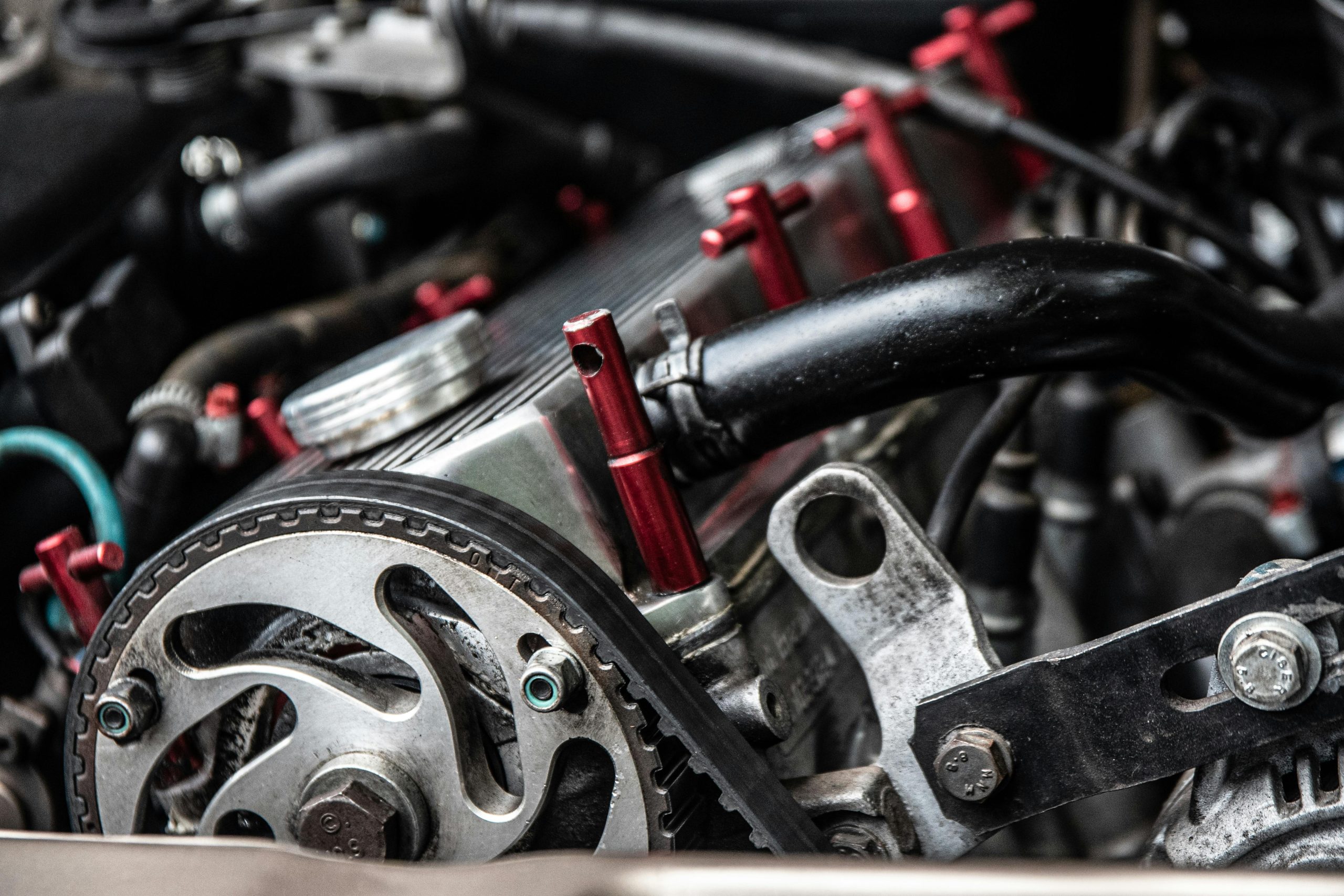
When to Replace Serpentine Belt vs Timing Belt
Your car’s engine is like a big, powerful machine made of many parts working together. Two of these important parts are the serpentine belt and the timing belt.
Even though they both have the word “belt” in their names, they do very different jobs. And if either one wears out or breaks, it can cause major trouble for your car.
Knowing what they do, how they’re different, and when to replace them can save you a lot of money, stress, and unexpected breakdowns. Let’s dive into everything you need to know!
What Is a Serpentine Belt?
The serpentine belt is a long, winding rubber belt that moves around different pulleys under the hood. It powers some of the most important parts of your car, like:
- The air conditioning system (to keep you cool)
- The power steering pump (to make steering easier)
- The alternator (to keep your battery charged)
- Sometimes even the water pump (to cool the engine)
Without a working serpentine belt, you could lose air conditioning, power steering, battery charging, and even your ability to drive!
In simple words:
The serpentine belt acts like a delivery man, bringing power from the engine to different parts of your car that need it to function.
Because it works so hard every time you drive, it wears out over time. That’s why checking it and replacing it when needed is so important.
What Is a Timing Belt?
The timing belt has a different, but just as important, job. It controls the timing between the crankshaft and the camshaft. In easier words, it makes sure the pistons and valves inside the engine move at the right time.
If the timing is off, the engine can’t run properly. If the timing belt snaps, it can cause the pistons and valves to crash into each other. This can seriously damage the engine and cost thousands of dollars to fix.
In simple words:
The timing belt is like a band leader for an orchestra. It makes sure all the moving parts inside your engine play their part at just the right moment.
When Should You Replace a Serpentine Belt?
Most serpentine belts are designed to last about 50,000 to 100,000 miles. Newer cars use belts made from better materials, like EPDM rubber, which can last even longer.
However, don’t just guess based on miles. You should look and listen for signs that your serpentine belt is wearing out.
Signs You Need a New Serpentine Belt:
- Squealing Sounds: If you hear a loud squeal when you start your car or turn on the air conditioning, your belt might be slipping.
- Visible Cracks or Fraying: Look under the hood. If you see cracks, missing chunks, or fraying edges on the belt, it’s time to replace it.
- Shiny, Smooth Areas: If parts of the belt look shiny or polished, it’s getting too worn.
- Problems With Power: If your air conditioner blows warm air or your power steering feels stiff, the belt could be the reason.
- Warning Lights: If your battery light comes on while driving, it might mean the alternator isn’t getting enough power from the belt.
Pro Tip:
Even if you don’t see problems, it’s smart to replace the serpentine belt around 75,000 miles just to be safe. It’s a simple and affordable maintenance step that can prevent bigger problems later.
When Should You Replace a Timing Belt?
Timing belts are much more critical. If a serpentine belt breaks, your car stops running properly. But if a timing belt breaks, it can destroy the inside of your engine.
That’s why manufacturers give very specific recommendations for when to replace the timing belt — usually between 60,000 and 100,000 miles, depending on the car.
Some newer engines can stretch it to 120,000 miles, but you should always check your owner’s manual.
Warning Signs Your Timing Belt Needs Replacing:
- Ticking Noise from Engine: If you hear a ticking sound under the hood, it could mean the belt is wearing out.
- Engine Misfires: A slipping timing belt can cause the engine’s cylinders to fire at the wrong time.
- Oil Leaks: Oil leaking near the timing belt cover is a bad sign. It can damage the belt and cause it to fail early.
- Check Engine Light: Sometimes a bad timing belt triggers the engine warning light.
- Hard Starting or Engine Stalling: If the timing belt has slipped or is failing, the engine might struggle to start—or shut down while driving.
Big Caution:
Unlike a serpentine belt, a timing belt often gives no clear warning before it fails.
That’s why replacing it on schedule is so important. It’s like changing the batteries in your smoke alarm — don’t wait for disaster!
What Happens If You Ignore It?
Ignoring either belt can lead to big problems, but they have very different levels of risk.
If a Serpentine Belt Fails:
- You lose power steering (hard to steer)
- Battery drains (car can die)
- Engine can overheat (if it powers the water pump)
Result: You’ll probably have to pull over and call a tow truck.
Fix: Replace the belt and you’re usually good to go.
If a Timing Belt Fails:
- Engine parts crash into each other
- Valves bend or break
- Pistons get damaged
- Entire engine may be destroyed
Result: A simple $600 job turns into a $3000–$6000 engine replacement!
Are Serpentine Belts and Timing Belts the Same Thing?
No, they are completely different parts even though they both look like belts.
| Feature | Serpentine Belt | Timing Belt |
| Main Job | Powers accessories like AC, alternator | Syncs the engine’s pistons and valves |
| Location | On the outside of the engine | Hidden inside the engine |
| What Happens If It Breaks | Accessories stop working | Engine may suffer catastrophic damage |
| Life Expectancy | 50,000–100,000 miles | 60,000–100,000 miles (check manual) |
What About Timing Chains?
Some cars today use a timing chain instead of a timing belt. Timing chains are made of metal and usually last the life of the vehicle if you keep up with oil changes.
But if a timing chain stretches or fails (rare, but possible), it’s still a big and expensive repair.
Quick tip:
If you have a timing chain instead of a belt, regular oil changes are even more important, because oil keeps the chain lubricated and running smoothly.
How Much Does It Cost to Replace Them?
Serpentine Belt Cost:
- Parts + Labor: $75–$200
- Quick and affordable for most cars
Timing Belt Cost:
- Parts + Labor: $500–$1200
(or more for luxury cars or trucks)
Because it’s a bigger job, it usually involves replacing:
- The water pump
- Tensioners
- Pulleys
Doing it all at once saves you money in the long run because they’re hard to get to once the engine is open.
Final Thoughts
Both the serpentine belt and timing belt are small parts that have a big impact on your car’s health.
The serpentine belt powers accessories like the AC and alternator, while the timing belt keeps the engine running in perfect sync. If either belt fails, it can cause serious problems, but a broken timing belt is much worse.
To avoid costly repairs, replace the serpentine belt when you see signs of wear, and replace the timing belt based on your car’s schedule, even if it seems fine. A little maintenance now can save you thousands later!


